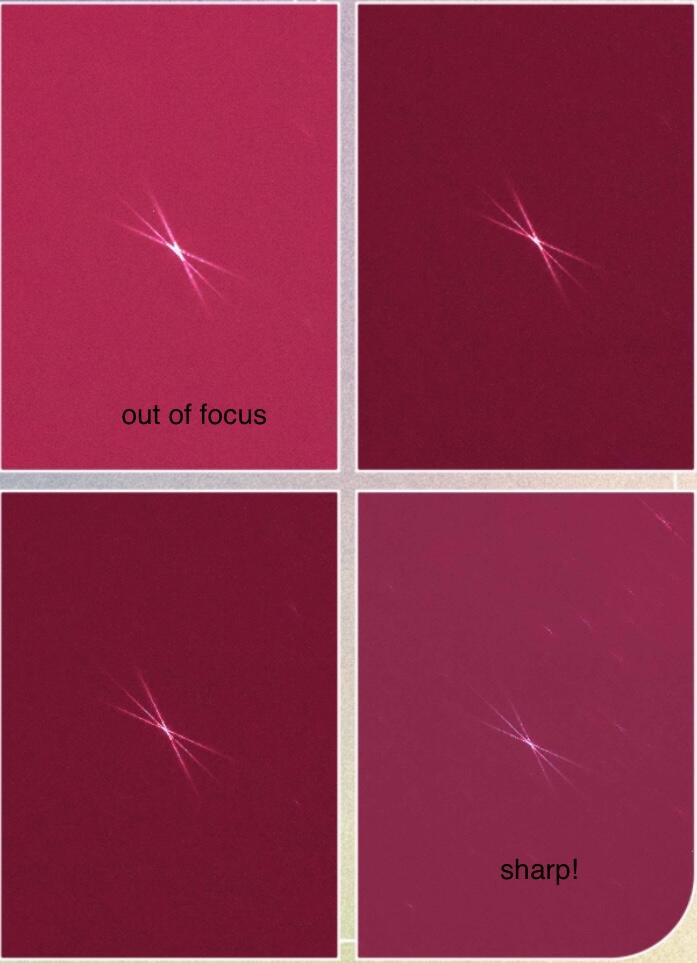
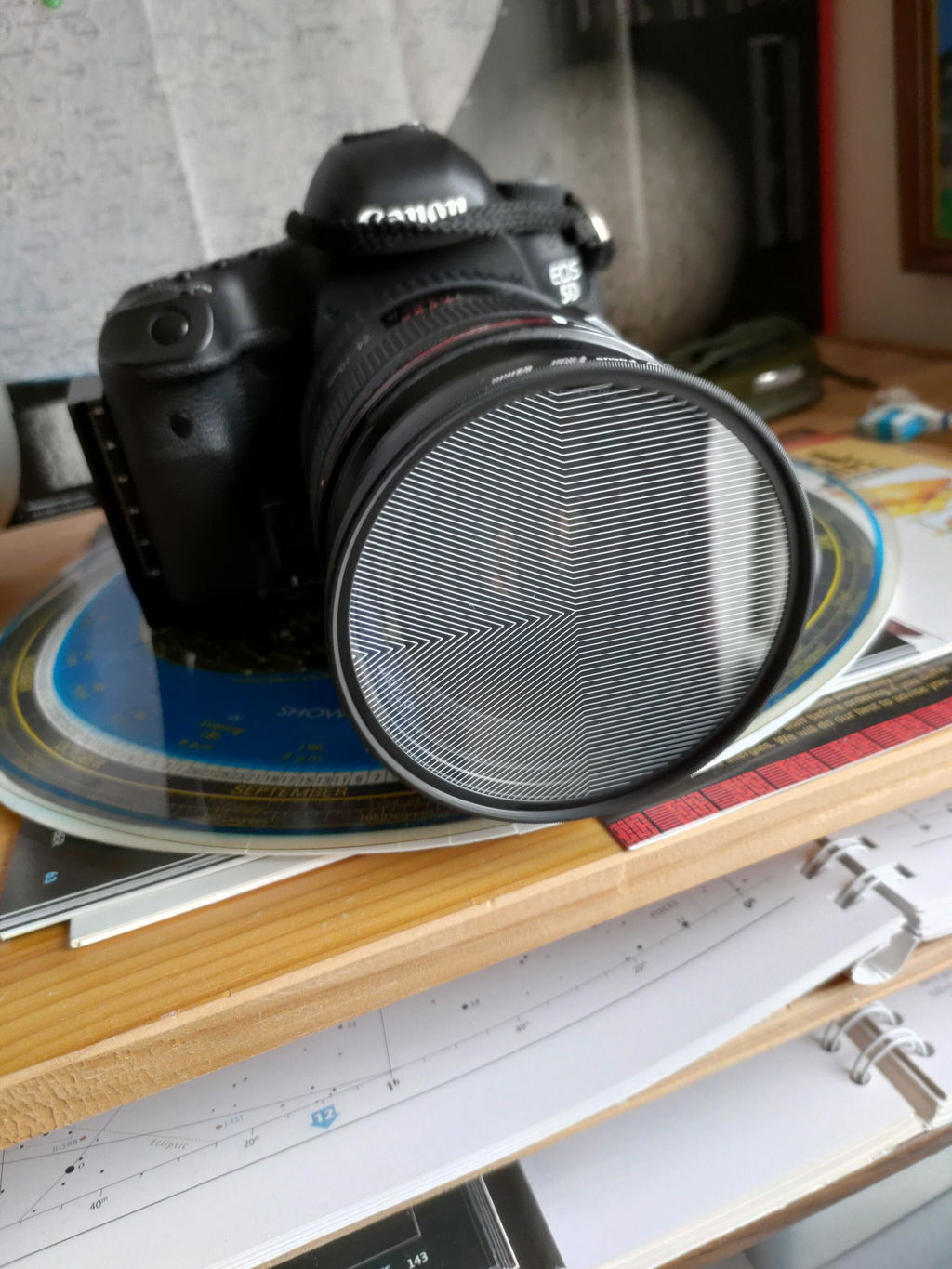
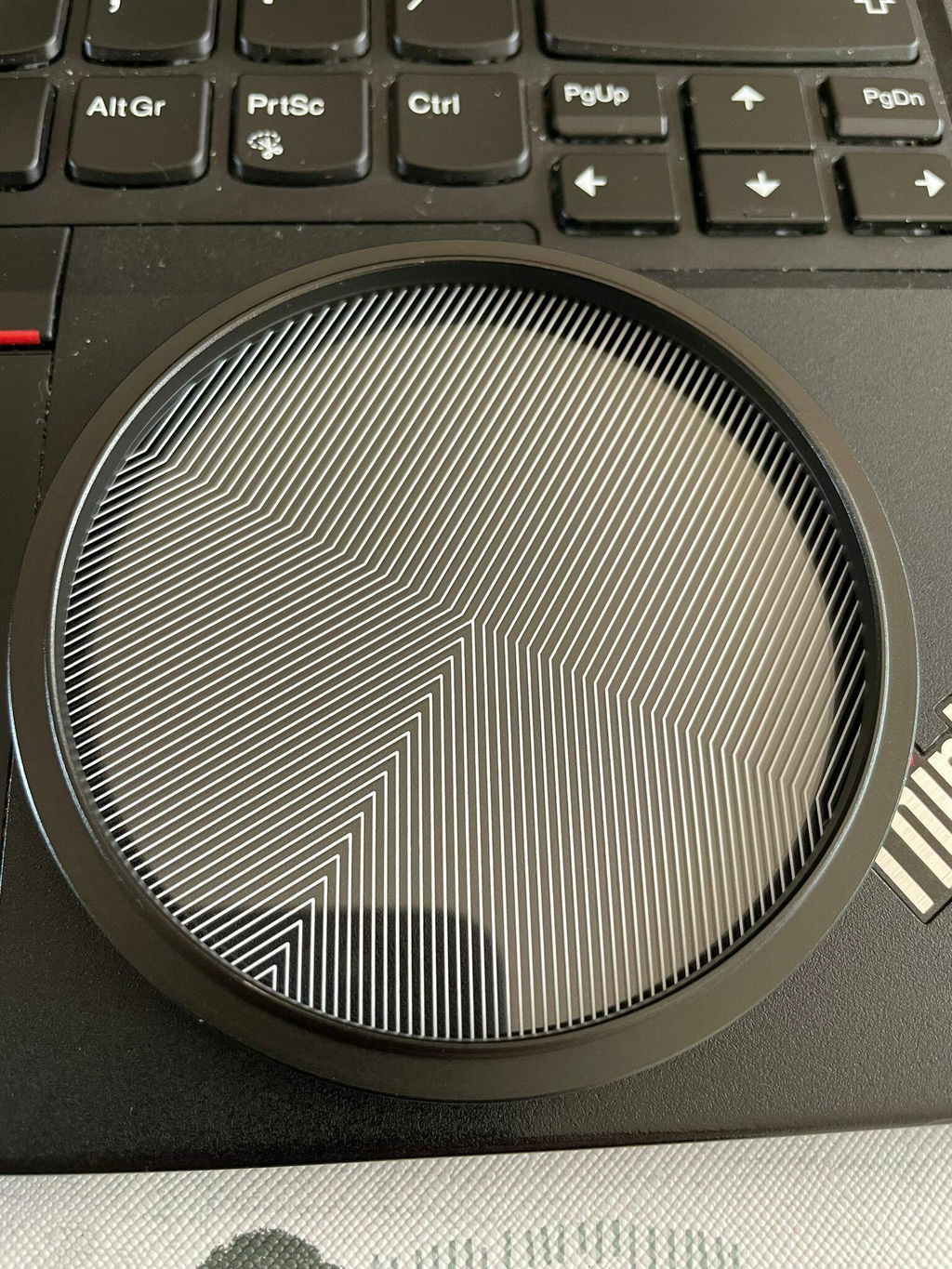
I purchased the Easy Focus because I was having difficulty getting stars as sharp as possible. The simple Star Focus Filter made it a lot easier and fits most of my Astro lenses. At 82mm, I got the 77mm step-down as well, which covers my three main lenses for Astro: 16mm, 20mm & 135mm f/1.8’s. Once focused, just be sure not to knock the focus ring; consider taping it if needed. I have found it to be simple, effective and well-priced.
As a new astrophotographer, focusing on the stars is never a very easy task, and I am really happy to have the star focus filter! This tool gives me confidence that I have achieved focus every time, especially when using my 200mm lens for some deep sky targets. This is a must have tool for astrophotography!
Move Shoot Move have brought long exposure Astro photography to a much wider audience thanks to their combination of excellent value products and for their ease of use. As someone who now uses the Shoot Move Shoot Nomad all the time the acquiring of the Easy Focus filter was a great addition to speed up focusing of stars. It is very straightforward to use and works brilliantly on longer focal length lenses. Being a screw on filter it can be quickly attached and then removed. If you struggle to focus on stars and are using longer focal lengths then this is a great purchase. Highly recommended.
I really enjoy my first long pause photographs with sms. Very easy to use. The hard part is keeping the north White looking for a new target. Please create a device (adaptatif téléobjectif / laser) to ease the seach !
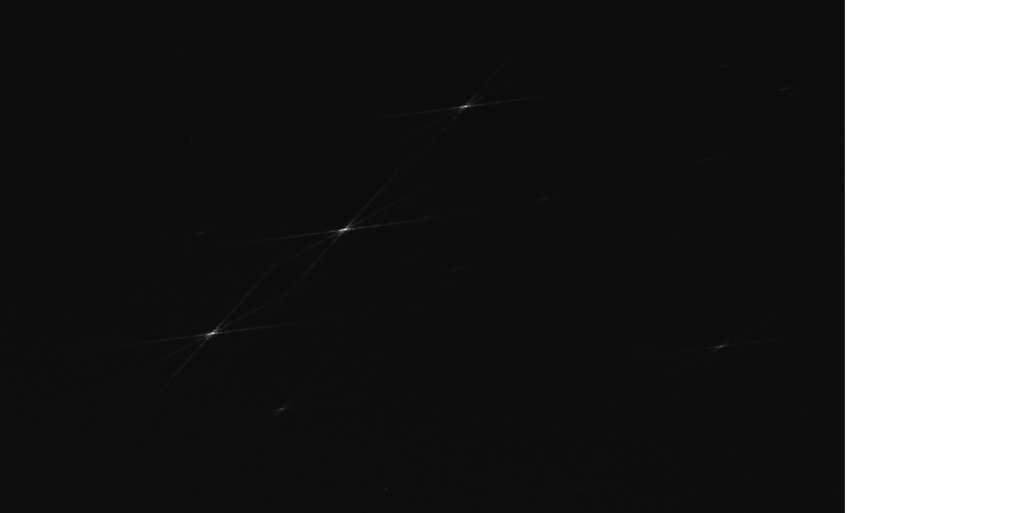
The star focus work great, I found it working well through all my lenses (on canon crop) 11 mm - 50 mm - 135 mm up to 600 mm. Drawback is you have to be careful to not move your focus (or zoom!) when you screw it off (a magnet focus ring would best). Usually needs to zoom the view to 10x to get a really clean view of the pattern. About being out of focus after alignement: I didn't have this issue, but be aware that if you measure in cold environment you need to wait for your gear to reach a constant temperature, I seen my focus being off after a while and need readjustment mid session because I didn't let it stabilize..
Great product.easy to use. I love it.
Simplifies focusing, especially suitable for commercially available photo lenses.
The Star Focus Filter is really a help whilst focussing on the stars. Not an almost but a yes sharp result 👍
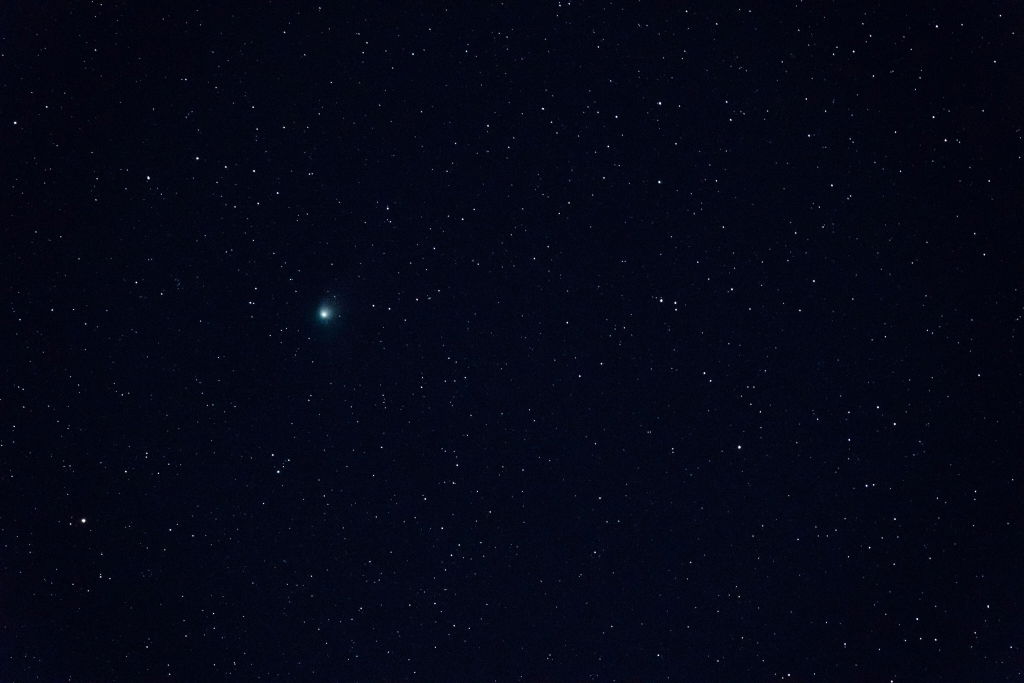
So I bought the 100x100mm filter to use on multiple lenses with a filter holder. It worked so well. I was using it to find the E3 Comet and focused on the stars around it and it worked out great! Easy to use but make sure you digital zoom for focus magnifier so you can see it better. Really good buy for my gear.
It's a great little device, does help me to focus my camera, excellent bit of kit 👍
Item made it in good time through the post. Already fitted to the resize adaptor.
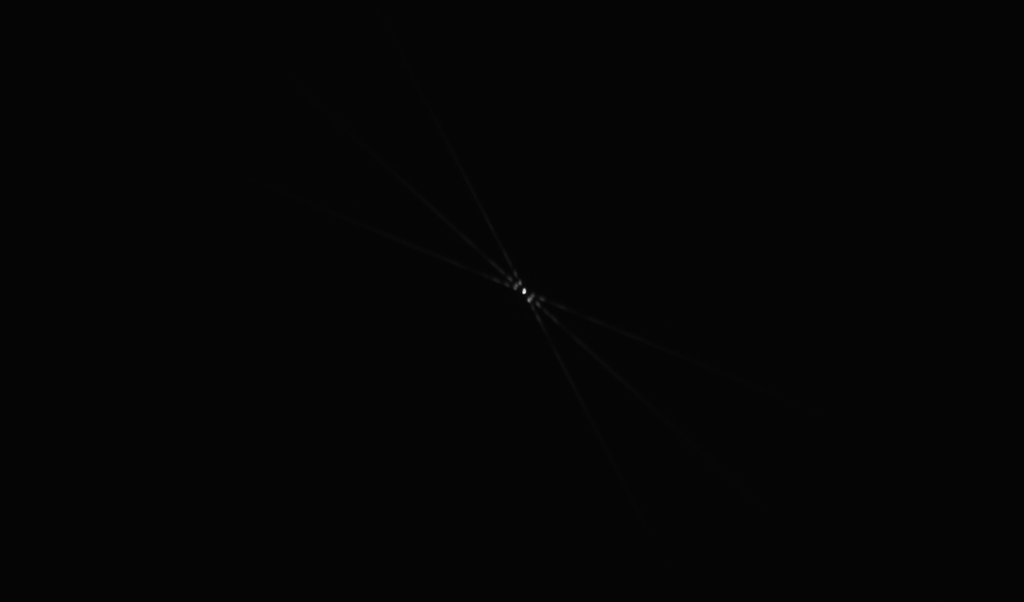
Screwed onto my lens for the first outing whilst under darkness and the stars. Focused was really easy down to 24mm. Below that I struggled to see the Bahtinov effect on the live view. Wanting to focus at 24mm it was super easy.
Especially when you remember to remove it afterwards. Would recommend to anyone struggling to focus at night.
Excellent service
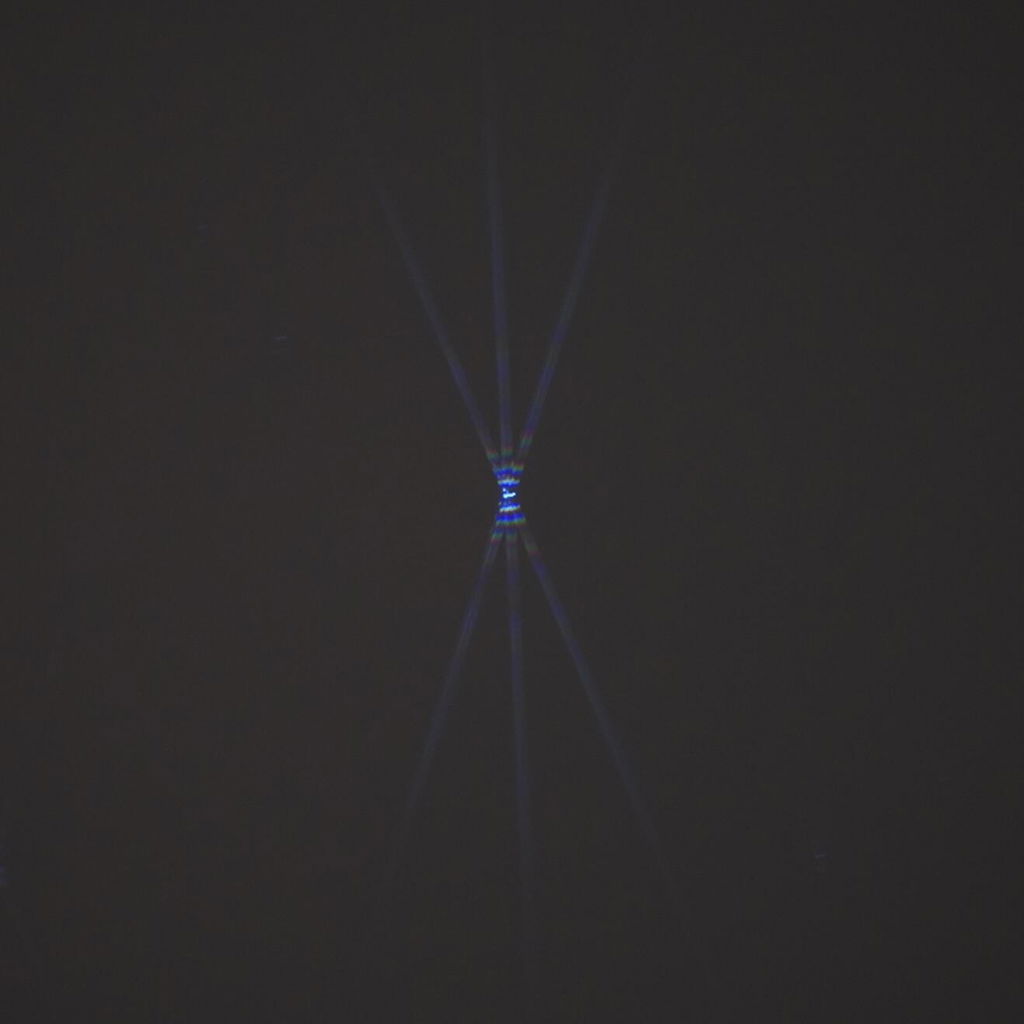
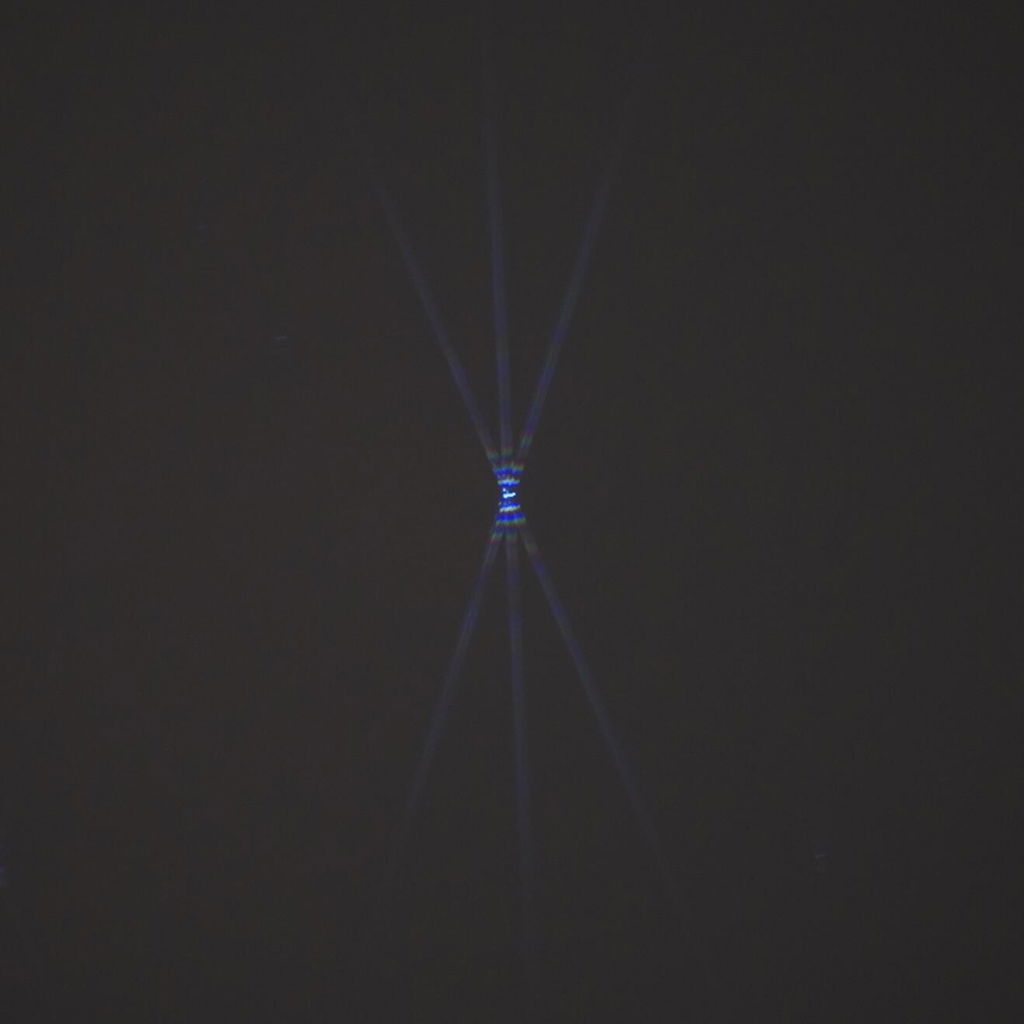
I absolutely love this star focus filter. The pattern is clear and well-defined, making it very easy to achieve precise focus on stars, even when working in challenging night conditions.
I also use it with a magnetic adapter, which makes attaching and removing the filter much quicker and more convenient in the field. For astrophotography, where accurate focus is critical, this has become a very useful part of my setup. Highly recommended.
I have ordered a rotating base, but i have not received it yet. Can you please look into this and ship it with a proper courier? Thank you
Easy to use, having the tutorial on their web page, is well done and was extremely helpful for me! Having the step rings is also nice, so I can the use filter with different sizes lens
I have been pondering this set of adapters and bahtinov mask for a good while now. I’m glad I ordered it with all the adapters. It works great and makes star focusing so much easier. Just wish they had a 95mm adapter for my larger lenses. I was trying to use a telescope mask before, but these from MSM are much better for camera kenses.
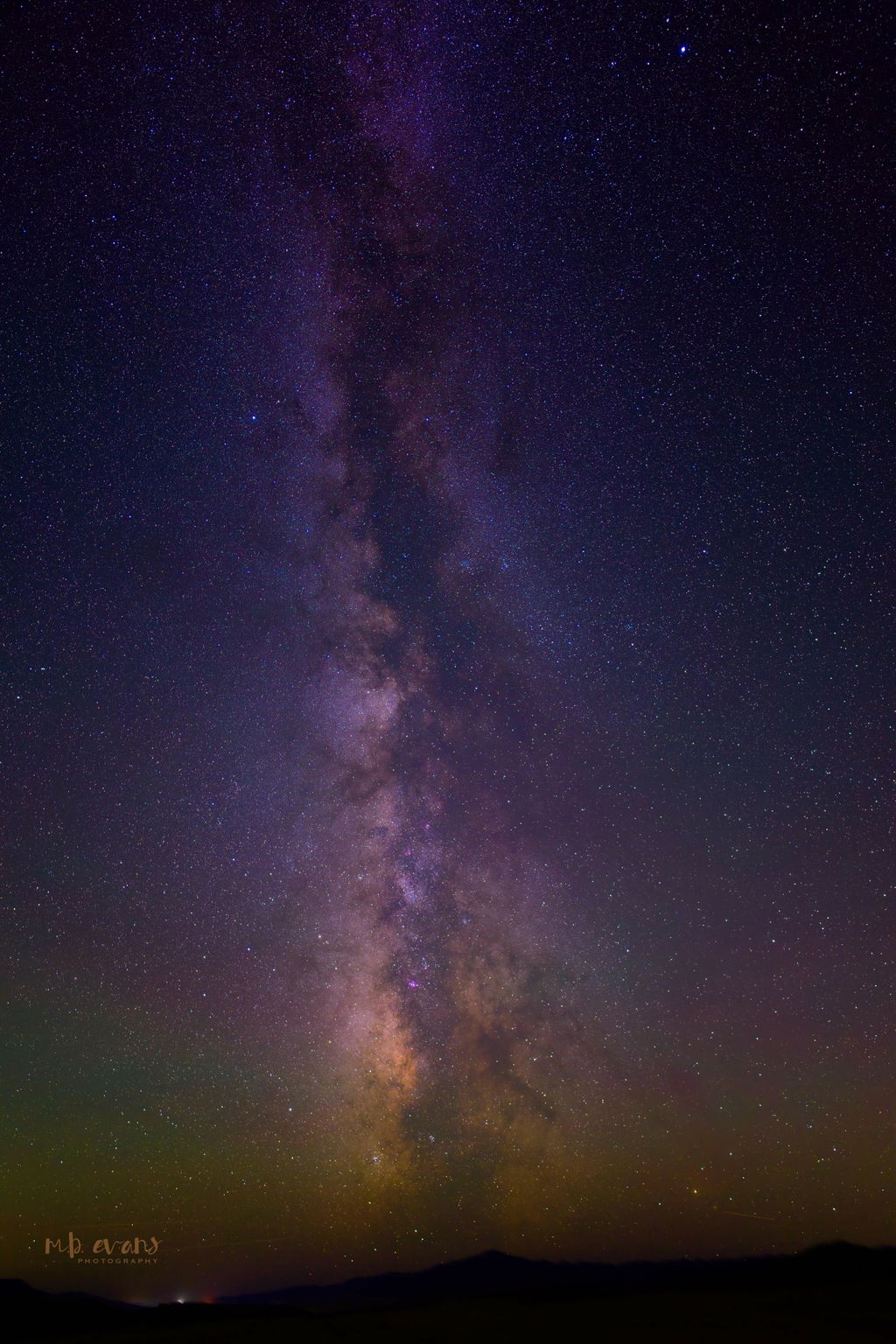
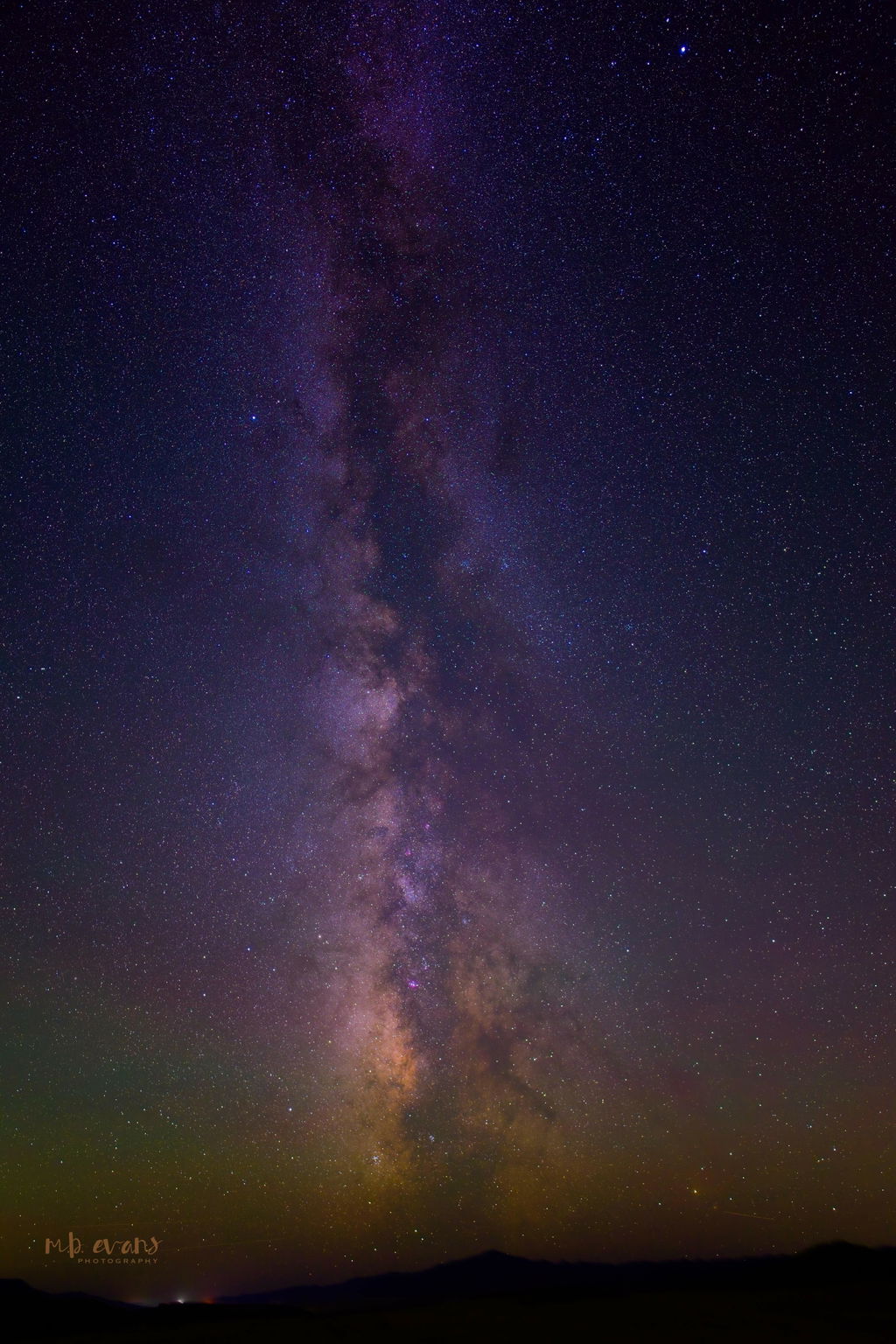
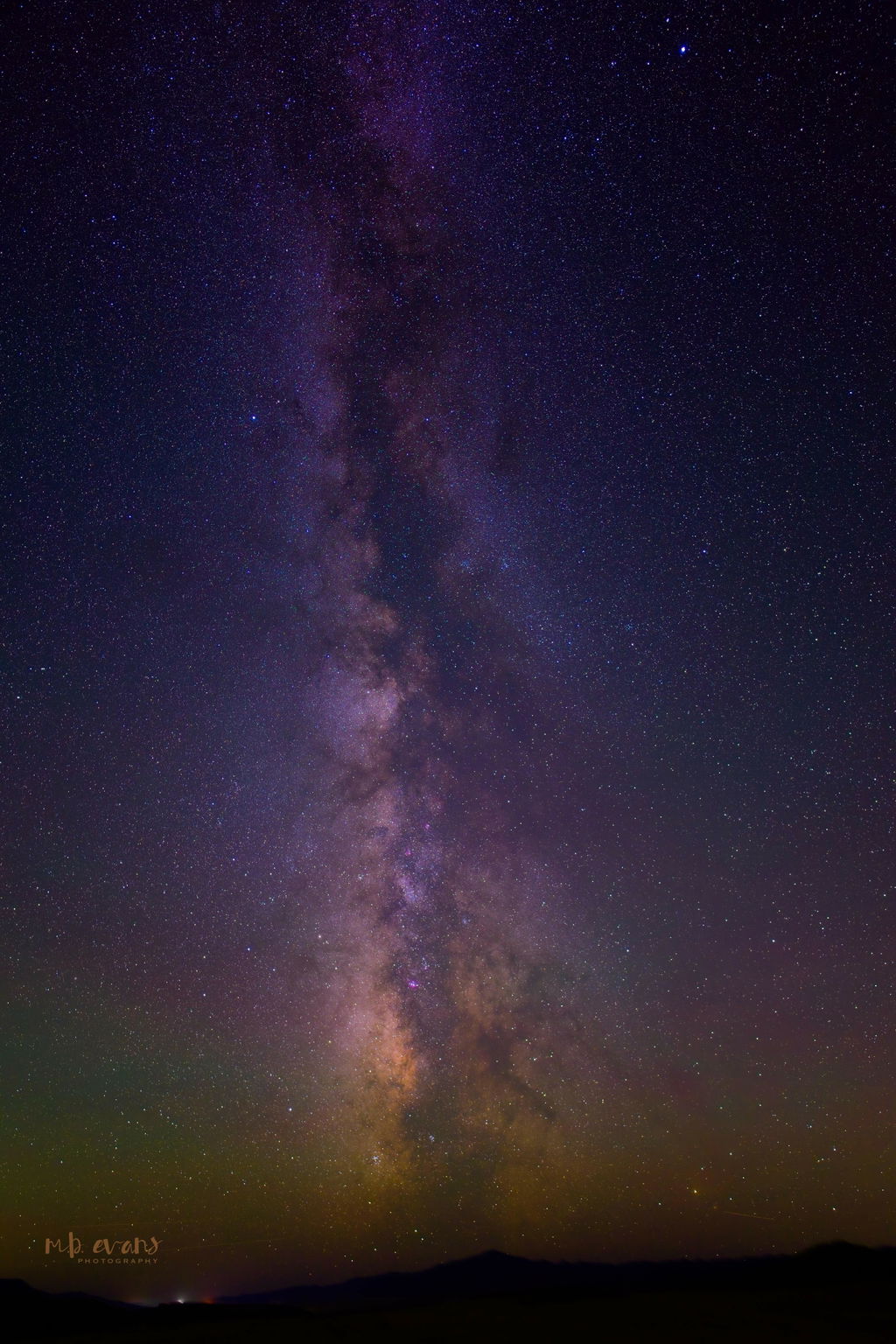
If you’re shooting wide-angle Milky Way photos and struggling to achieve accurate focus on the stars, this is an excellent investment. It takes the guesswork out of focusing and is very easy to use.
One nice advantage is that it’s made from acrylic instead of glass, so you don’t have to worry as much about accidentally dropping it in the dark.
There are a couple of downsides. The focusing lines only appear on brighter stars, so it can be harder to use with dimmer ones—but with a bit of practice, you can work around this limitation.
Overall, I’m giving it 4 stars mainly due to the price, but performance-wise it’s a very useful tool for astrophotography.
Ich hatte vorher einen anderen Filter, um auf die Sterne scharf zu stellen, aber immer Probleme gehabt die Schärfe auch zu bekommen. Mit diesem Filter von MSM ging dies ohne Probleme und auch direkt beim ersten Versuch!
Having bought and tried out the Easy Focus filters for stars. It makes shooting so much easier. I shoot with a 135 mm lens with 77 mm filter size. I also use 52 mm and 67 mm filter size, so buying the most expensive one was perfect
I purchased the Move Shoot Move Star Focus filter, and it has literally changed the way I shoot at night. Manually focusing on stars can be a nightmare, but with this filter (which works like a Bahtinov mask for photographic lenses), you get perfect focus in seconds thanks to the cross pattern it generates. The build quality is excellent, and the 82mm version with adapters makes it versatile for all my gear. I highly recommend it to anyone who does astrophotography, from beginners to professionals!
The Nomad and Acc went together great. Once you understand the concept of tracking the earths movement it all makes sense. The only issue I had was calibrating the laser and scope. I think there should be more info on the calibration of the laser and scope. Would it be possible to insure both were calibrated before shipment?
Il filtro può essere utilizzato su obiettivi grandangolari, ma la visibilità del pattern di messa a fuoco Bahtinov varia in base alla lunghezza focale.
Per ottenere i risultati migliori, consigliamo obiettivi da 50 mm in su.
• 50 mm e oltre — Prestazioni ottimali
• 24–50 mm — Funziona generalmente bene
• Meno di 24 mm — Il pattern di diffrazione potrebbe essere più debole e difficile da osservare, a seconda dell’obiettivo e delle condizioni di scatto.
Maggiore è la lunghezza focale, più sarà facile vedere e utilizzare il pattern di messa a fuoco.
Sì, va bene per un obiettivo zoom. Più lunga è la lunghezza focale, migliori sono le prestazioni.
Sì, il filtro ha la filettatura per adattarsi all’obiettivo.
Sì. Il filtro deve essere rimosso prima di effettuare l’esposizione.
Sì. Se i tuoi anelli adattatori passano da 82 mm al diametro del tuo obiettivo e il lato da 82 mm utilizza la filettatura standard 82 × 0,75 mm, si adatteranno correttamente.
Questa opzione include un filtro Star Focus da 82 mm e un set di 8 anelli adattatori:
49 mm, 52 mm, 55 mm, 58 mm, 62 mm, 67 mm, 72 mm e 77 mm.